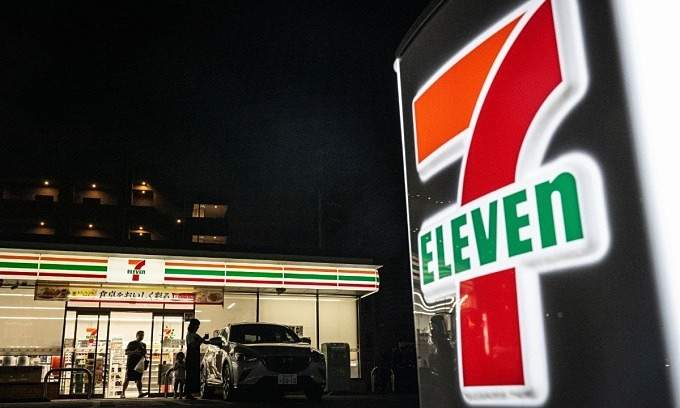
In 2024, Seven & i acquired the local operator of its branded shops for A$1.7 billion (US$1.2 billion) and plans to open hundreds of new stores across Australia by 2030, as reported by Bloomberg.
These stores will sell fried chicken, pizza, pre-packaged meals, and local versions of Japan’s popular egg-salad sandwiches and onigiri rice balls.
Seven & i introduced the American convenience store model to Japan in the 1970s, ultimately building 7-Eleven into a dominant force with over 85,000 stores worldwide. Now, it is restructuring, selling off its Japan-based supermarkets and specialty stores to focus on convenience retailing.
Seven & i plans to expand into 10 more countries by 2030, moving from a franchise model to direct store ownership. Australia is now a key test for the viability of the 7-Eleven Japan model, which is centered on fresh, prepared food and daily services.
 |
|
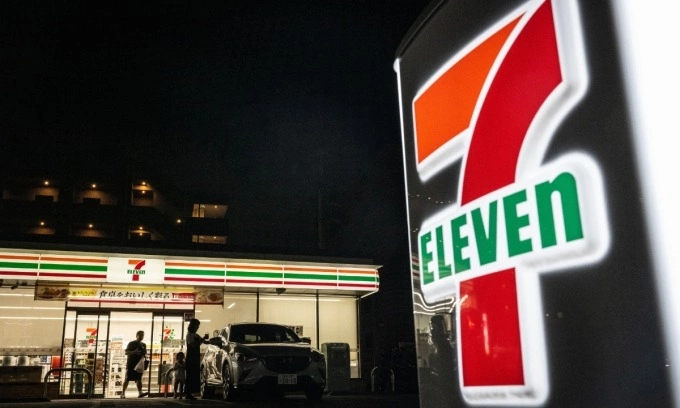
People walk out of a 7-Eleven convenience store in Yokohama on Aug. 23, 2024. Photo by AFP |
Fiona Hayes, CEO of 7-Eleven Australia, noted that initial results from the focus on food and drinks show promising progress, citing that the loss of tobacco sales from stricter regulations and higher taxes has been offset by growth in other categories. The product range has nearly doubled to almost 3,000 items, with revenue from food, snacks, drinks, and groceries growing by 14% to 15% in 2025.
However, success in Australia is not guaranteed. Lea El-Hage, an analyst at Bloomberg Intelligence, pointed out that Seven & i must transform 7-Eleven in Australia into a food-centric store, not just a fuel stop.
Australia’s lower population density, price sensitivity, and car-dependent culture present challenges, alongside competition from supermarket giants Woolworths and Coles, which are increasingly focusing on convenience stores, El-Hage said.
If the strategy succeeds, it would validate Seven & i’s shift toward direct ownership. If it fails to resonate with Australians, it could cast doubt on the broader applicability of Japan’s model in other countries, she added.
Seven & i plans to open 1,000 7-Eleven stores across Australia by 2030, equating to nearly one new store each week. Rising living costs and interest rates may affect consumer spending. While products like sausage rolls are popular, others, such as cheeseburgers, have seen mixed demand.
Despite these hurdles, some market trends are in Seven & i’s favor. The Australian grocery market is expected to grow by 4% annually through 2034, according to IMARC Group forecasts.
Increasing demand for smaller urban stores and ready-to-eat meals is expected to drive further growth in the sector.