Yun Liu, senior ASEAN economist at HSBC Global Investment Research, told VnEpxress International: “Trade continues to boom, driven by the strong performance in electronics sector. Services also have flourished, led by improving private consumption and increasing tourists.”
Q1 growth this year has been the highest in 16 years, as trade rose 23% to US$249.5 billion, according to the General Statistics Office.
Strong consumer demand during the Lunar New Year and a record 6.76 million foreign tourist arrivals bolstered growth of 8.18% in the services sector.
But the Middle East conflict between the U.S., Israel and Iran, which began at the end of February, threatens to undermine Vietnam’s efforts to achieve 10% growth this year.
 |
|
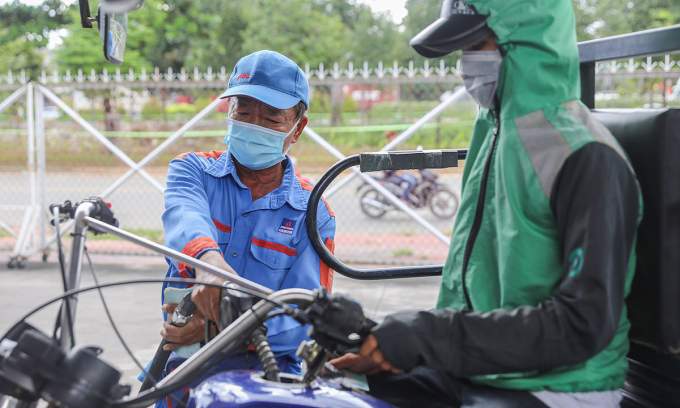
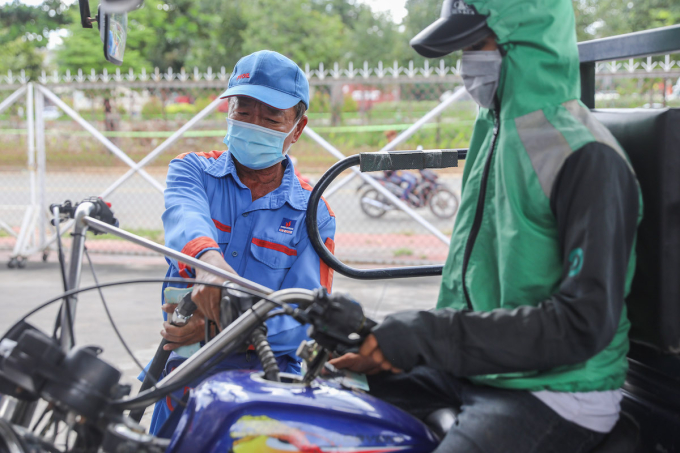
An employee refills a vehicle at a fuel station in HCMC. Photo by VnExpress/Quynh Tran |
The price of the country’s most popular fuel, RON95, is up almost 26%, putting pressure on the government to control inflation.
“The biggest downside risk to growth is energy prices staying higher for longer,” Liu warned.
“As Vietnam is so dependent on both crude oil and gas imports from the Middle East as well as sensitive to commodity price swings, this may ultimately pose a significant downside risk to global trade and household demand.”
The government has made efforts to stabilize the fuel market, allocating VND8 trillion (US$304 million) as an advance to the fuel subsidy fund. Lawmakers have also waived environmental protection tax, value-added tax and special consumption tax on fuel between April 16 and June 30. These waivers are expected to cost the government VND7.3 trillion a month.
It has increased the nation’s fuel reserves from 15 to 26 days’ requirements. In the long run the government aims to establish a reserve of at least 90 days’ worth of net imports by 2030.
Short-term supply is guaranteed since the country’s two refineries, at Dung Quat and Nghi Son, have sufficient crude stocks to maintain production through April, Minister of Industry and Trade Le Manh Hung said recently.
But Liu said further investment in the energy sector is needed to ensure sustainable economic growth.
“It is necessary to use some fiscal support to cushion the impact for households and businesses, but in the long term, Vietnam needs a strategy for energy security and energy transformation.”