 |
|
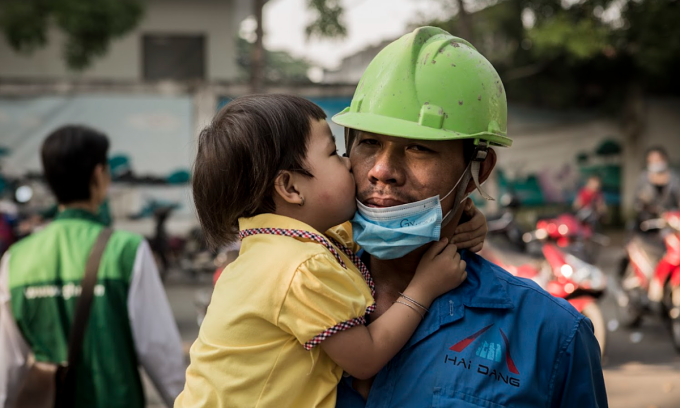
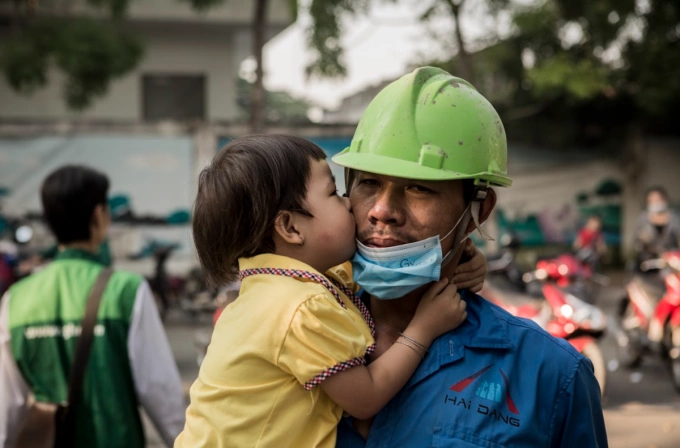
Children benefit when parents have access to stable employment and supportive workplace policies. Photo courtesy of UNICEF Viet Nam |
Making social pillar more measurable
Compared with environmental and governance metrics, social impact can be more difficult to define and evaluate.
Environmental performance is often measured through indicators such as emissions, energy consumption and waste reduction. Governance can be assessed through policies, compliance systems and board oversight. Social impact, by contrast, spans a broader range of stakeholders, including employees, consumers, families and communities.
A child-focused perspective can help companies translate social objectives into more tangible areas of action.
Within supply chains, it draws attention to labor conditions, household income and the broader effects of employment practices on families. In human resources, it highlights family-friendly policies such as parental leave, childcare support and flexible work arrangements.
UNICEF’s “Building Family-Friendly Workplaces: A Toolkit for Business” provides guidance for companies seeking to strengthen support for working parents while improving employee engagement and retention.
In product development, marketing and digital services, a child-focused approach raises considerations related to safety, privacy, age-appropriate communication and online well-being. These issues are becoming increasingly important for consumer-facing and technology companies as regulatory scrutiny and public expectations evolve.
The approach can also inform community investment and climate resilience strategies by examining children’s access to education, healthcare, clean water and safe environments.
UNICEF USA’s Child-Lens Investing Framework similarly encourages businesses and investors to consider how investment decisions affect children’s well-being while identifying opportunities and risks associated with future generations.
Many of these issues have direct business implications. Family-friendly workplace policies can improve retention and productivity, while investments in education, sanitation and community infrastructure may strengthen relationships with local stakeholders. Safer products and digital environments can also help reduce reputational and regulatory risks.
Moving beyond philanthropy
Globally, companies are increasingly incorporating child-related considerations into core business operations rather than treating them solely as philanthropic initiatives.
The LEGO Group, for example, has worked with UNICEF to apply the Children’s Rights and Business Principles across areas including product development, digital engagement and responsible business practices.
Across Asia, family-friendly workplace policies are becoming more common as employers seek to improve employee well-being, productivity and workforce retention.
In Vietnam, the “Innovation for Children” partnership between Masterise Group and UNICEF Vietnam offers one example of a more structured approach.
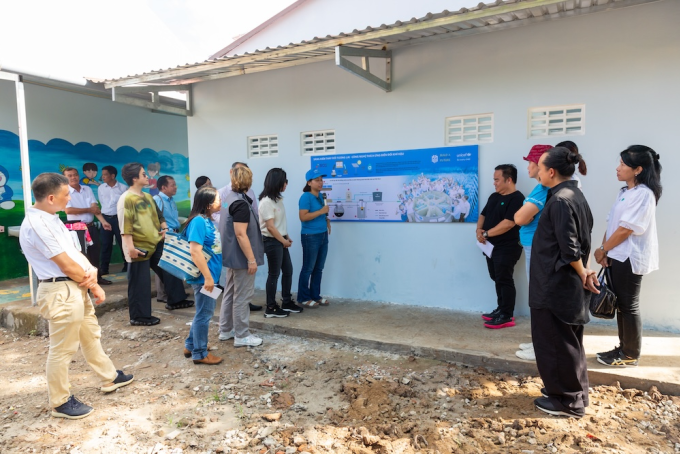
At Long Phu C Primary School in Soc Trang Province, the program piloted a net zero-emission sanitation facility powered by the Aquonic wastewater treatment system and solar energy. The project aims to improve sanitation, access to clean water and learning conditions while addressing climate-related challenges in an area affected by drought and saltwater intrusion.
 |
|
Representatives of Masterise Group and UNICEF attend the handover ceremony for the net zero-emission sanitation facility at Long Phu C Primary School in Soc Trang Province, southern Vietnam. Photo courtesy of UNICEF Vietnam |
The project combines technical expertise, local implementation and private-sector resources to address specific community needs.
Another example is UNICEF’s Integrated Early Childhood Development Parenting Program, which provides parenting education for employees with children up to eight years old.
The program seeks to improve parenting knowledge, reduce family-related stress and support employee well-being. Garment manufacturer Eclat is among the companies that have incorporated the initiative into workforce development activities.
Such examples illustrate how child-focused programs can move beyond charitable giving by addressing clearly defined challenges through structured partnerships and measurable outcomes.
Partnerships and long-term development
Public scrutiny of ESG and CSR commitments continues to increase, with stakeholders increasingly expecting companies to identify the issues they aim to address and demonstrate measurable progress.
For businesses, creating sustainable social impact requires a clear understanding of local needs, effective implementation mechanisms and alignment with business expertise.
Real estate developers may focus on schools, sanitation facilities and community infrastructure. Consumer goods companies may emphasize health and hygiene initiatives. Technology firms may prioritize digital safety, while financial institutions may support education, skills development and inclusion programs.
Programs that align closely with a company’s operations, stakeholder relationships and areas of expertise are generally better positioned to achieve long-term impact.
 |
|
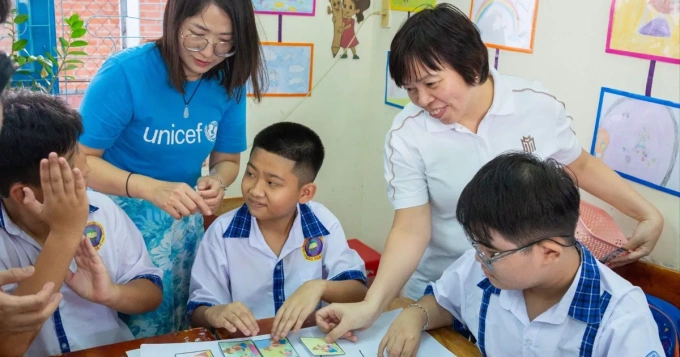
Representatives of UNICEF and Masterise Group visit classrooms participating in the Innovation for Children program during a field trip to Soc Trang Province, southern Vietnam, in November 2023. Photo courtesy of UNICEF Vietnam |
Organizations such as UNICEF can support these efforts by providing technical expertise, implementation experience and relationships with governments and local communities.
For companies, such partnerships can help translate social commitments into structured programs that support both community development objectives and broader business goals.
In Vietnam, these discussions are increasingly tied to long-term development priorities. Today’s children will become future workers, consumers, entrepreneurs and community leaders.
From a business perspective, investments in children’s well-being can contribute to future workforce development, community resilience and social stability. A child-focused approach offers companies a framework for considering how their operations, products and investments may affect future generations while strengthening the social dimension of ESG strategies.
Source:e.vnexpress.net