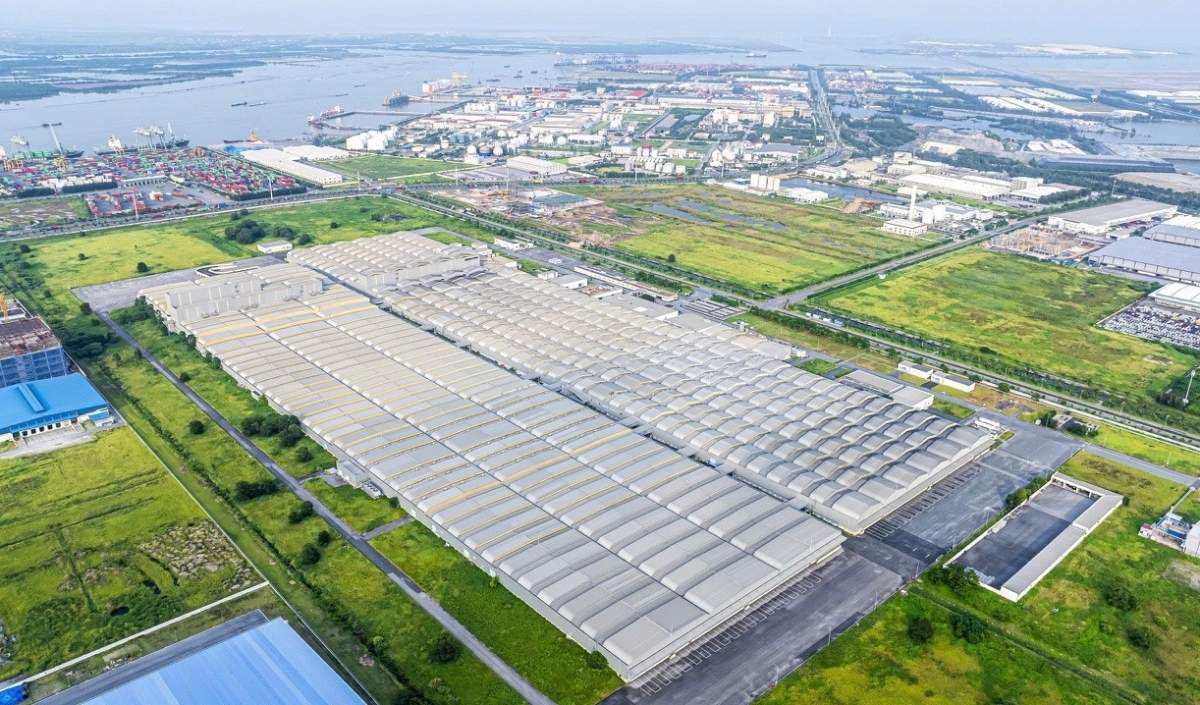
With a strategic focus on green development and a rapidly strengthening network of seaports, logistics, and industrial zones, Haiphong city is well positioned to attract a new wave of European investment. Bruno Jaspaert, CEO of DEEP C Industrial Zones, spoke with VIR’s Son Dzung about this evolving landscape
Haiphong is actively encouraging investment in ports, logistics, green industry, and the energy transition. Does this present a major opportunity for European companies to invest in the city at this time?
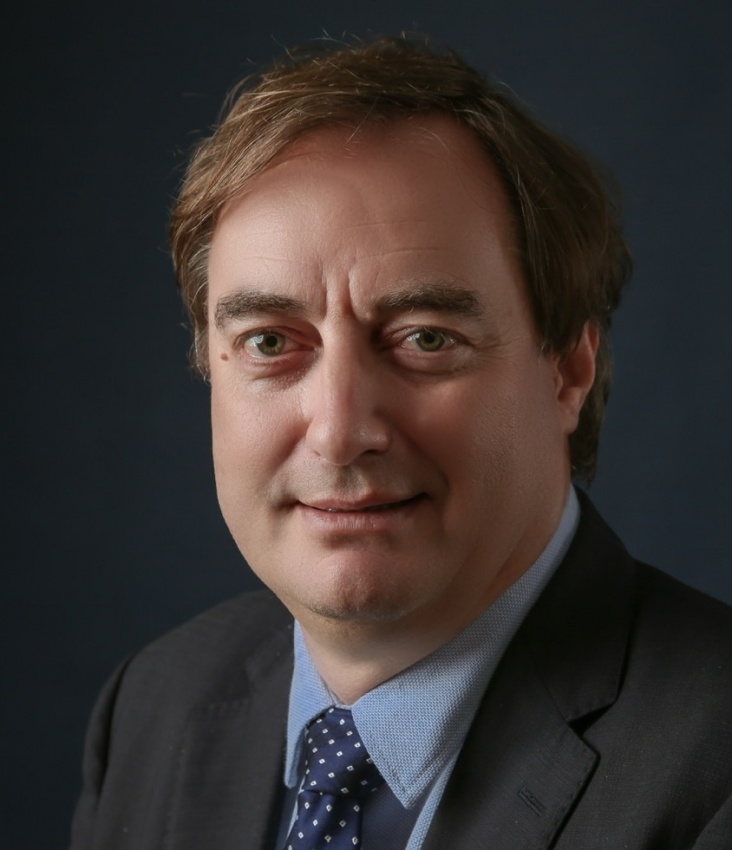 |
| Bruno Jaspaert |
It is true that Haiphong’s long-term urban development vision and the future of its industrial zones (IZs) are closely aligned with the direction Europe itself is pursuing. This means prioritising green investments, ensuring logistics systems are as efficient and renewable as possible, and investing in industries that can generate strong returns without causing environmental harm, whether to Europe or, in this case, Haiphong.
Having witnessed Haiphong’s development over the past seven years, I believe that compared with other localities in Vietnam, the city is exceptionally well positioned to become a safe haven for European businesses seeking investment opportunities. Whether in a future free trade zone or in new IZs emerging from the merger of Hai Duong and Haiphong remains to be seen, but the opportunity is clearly there.
Alongside its existing strengths, Haiphong is gaining new momentum through mechanisms such as the proposed free trade zone. In your view, what further actions are needed to attract European investment more effectively?
Haiphong has already achieved a great deal and has become one of Vietnam’s strongholds for foreign direct investment. However, there is always room to do more. Beyond expanding infrastructure and developing additional IZs, the city needs to focus on becoming a place where people genuinely want to live.
This includes providing good and accessible schools, creating diverse opportunities, developing restaurants and promoting Haiphong’s well-known street food culture, as well as offering more entertainment, music and art. Haiphong does not need to copy Hanoi or Ho Chi Minh City; it should remain true to its own identity while becoming a vibrant city in its own right.
When people want to live in Haiphong, investors will find it easier to attract workers for their factories. This creates a self-reinforcing cycle in which industrial growth, population inflows and urban livability support one another, highlighting the importance of investment in both human capital and culture.
It is known that during the most recent investment promotion conference, you signed an MoU. Could you elaborate on this?
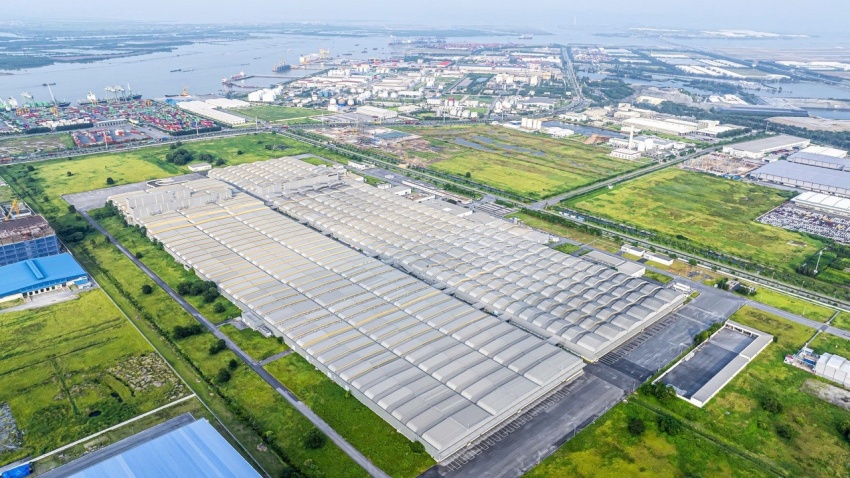
It is correct that we signed an MoU in Belgium together with Haiphong People’s Committee for a new development project for DEEP C. Under the agreement, we have been appointed to conduct a survey for a new IZ in Nam Do Son, including a pre-feasibility study.
We aim to develop this into a green eco-industrial area that can be launched as soon as possible. We hope to begin the feasibility study before the summer and secure final approval, demonstrating that DEEP C can continue to expand beyond what we have already achieved in Haiphong.
 |
Do you believe recent high-level diplomatic visits could open new prospects for EU investment flows into Haiphong in the near future?
We were honoured to welcome the EU ambassador and his delegation to Haiphong in mid-January, as they assessed the city’s potential eligibility for participation in the EU’s Global Gateway Strategy. Europe is currently seeking new trade pathways amid ongoing global trade tensions, and this programme aims to support partner countries through grants, subsidies and technology transfers in selected sectors.
The Global Gateway Strategy is expected to be launched in Vietnam in March, coinciding with visits by EU commissioners Jozef Sikela and Apostolos Tzitzikostas. We are seeking to arrange a working visit to northern Vietnam to showcase projects in areas such as green finance, infrastructure, logistics and energy, and to explore opportunities for cooperation with Haiphong.
The first step in this process was a visit to Vietnam by President of the European Council, António Costa, during January 28-29. Although his schedule is limited, discussions have been continuing on advancing cooperation under the Global Gateway Strategy framework between Vietnam and the EU.
 |
Haiphong marks inauguration of $30 million door closer plant
The inauguration of the ASSA ABLOY Architectural Hardware Vietnam plant took place at DEEP C 2B Haiphong Industrial Zone on October 10. |
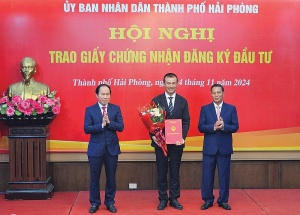 |
Landmark investment taking root at DEEP C Haiphong 3
DEEP C Haiphong 3 Industrial Zone has welcomed its first investment with Haiphong Port SITC Warehousing, with total capital of $20 million. |
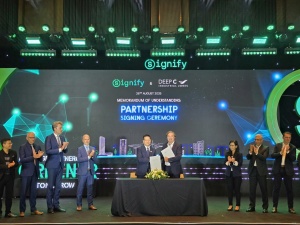 |
DEEP C partners with Signify to develop green lighting in industrial zones
Signify, the world’s leading lighting company, has partnered with DEEP C Industrial Zones to implement integrated lighting solutions aimed at conserving energy, reducing emissions, and improving the working environment across key industrial areas in northern Vietnam. |