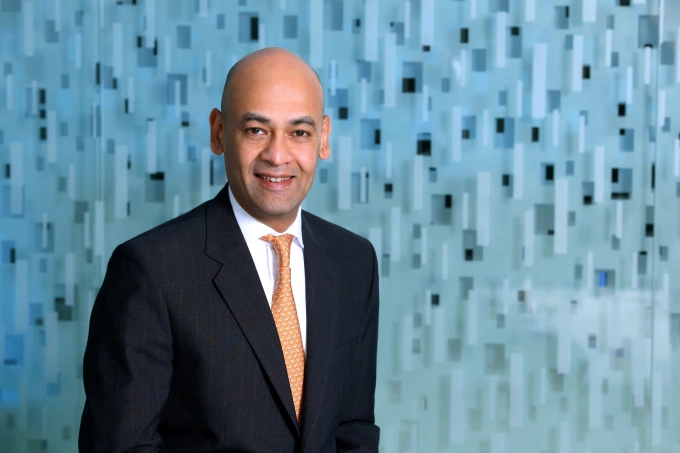
Speaking to VnExpress International during a visit to Vietnam, Amol Gupte, Asia South and Banking Head at Citi, outlined the report’s key findings and their implications for the region.
 |
|
Amol Gupte, Asia South and Banking head at Citi. Photo courtesy of Citi |
What picture of global trade emerges from the report?
Despite geopolitical tensions and shifting tariff policies, global growth remains resilient. Citi estimated global GDP will expand by around 3% in 2025, broadly in line with long-term trends, though it may soften slightly in the following years as tariffs filter through the system.
What has changed is the structure of globalization. Supply chains are becoming more regionalized and diversified rather than contracting.
Tariffs have been a major catalyst. The effective U.S. tariff rate has risen to about 15%, from roughly 2.5% previously, the highest level in over 80 years. However, corporate impacts have been uneven. Citi’s survey shows nearly three-quarters of suppliers reported limited or moderate effects, while around 20% experienced significant disruption.
At the same time, technology, especially artificial intelligence, is reshaping trade. Citi estimates global AI-related capital expenditure could reach US$7.75 trillion by 2030, driving demand for semiconductors, energy systems and industrial equipment.
Overall, globalization is being reconfigured, not reversed.
The report suggests ASEAN is emerging as a major supply chain hub. How does the data support this?
ASEAN’s rise is a key theme in the report.
Exports from South Asia and ASEAN to the U.S. have grown by about 51% in recent years, while China’s exports to these regions have increased even faster, by roughly 57%. This indicates supply chains are increasingly routed through intermediary economies.
Rather than shifting production wholesale, companies are building multi-country networks to balance efficiency and resilience, with ASEAN at the center.
Investment trends reinforce this shift, with capital flowing into emerging manufacturing hubs across Southeast Asia. At the same time, sectors such as electronics, batteries, pharmaceuticals and electric vehicles are expanding, areas where ASEAN economies are gaining ground.
These dynamics suggest ASEAN is evolving from a peripheral manufacturing base into a core pillar of global production.
 |
|
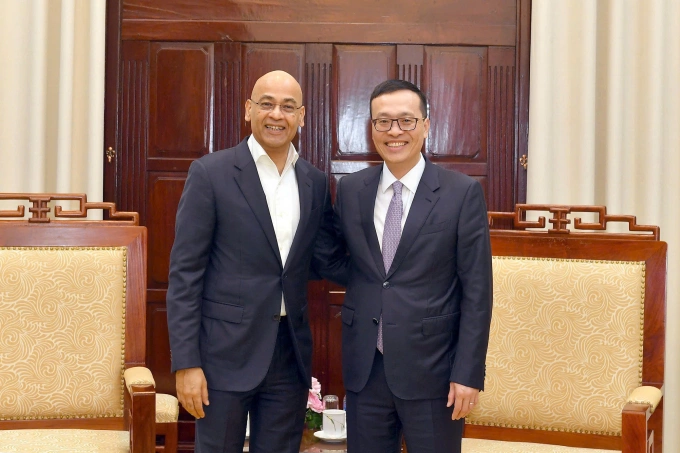
Asia South Cluster and Banking Head for Citi Amol Gupte (L) meets with the State Bank of Vietnam’s Deputy Governor Pham Quang Dung. Photo courtesy of Citi |
How does Citi view Vietnam’s role in global supply chains today?
Vietnam is a clear example of supply chain transformation.
As U.S. reliance on imports from China declines, with China’s share falling from over 20% in 2018 to around 8%, economies such as Vietnam, Mexico and Thailand have gained market share.
Vietnam’s rise reflects both structural advantages and policy direction. Over the past decade, it has become a major manufacturing hub, particularly in electronics, consumer goods and industrial components.
The country is also advancing in technology supply chains. Growing demand linked to AI and digital infrastructure is boosting sectors such as semiconductors and electronic components, where Vietnam is strengthening its capabilities.
Vietnam is no longer just a low-cost manufacturing base but an increasingly strategic node in global trade.
Looking ahead, what is Citi’s outlook for global supply chains?
Supply chains are expected to become more diversified, digital and resilient.
Regionalization is already well established, with companies expanding supplier networks and investing across multiple locations. At the same time, technological shifts, particularly AI, will drive new investment in data centers, semiconductors and energy infrastructure, creating new global linkages.
Countries that combine manufacturing strength, technological capability and open trade policies will emerge as key nodes. ASEAN is one such region, with Vietnam standing out for its strong momentum and continued investment in infrastructure and integration.
The next phase of globalization will likely be defined by more diversified and resilient networks rather than fewer connections.
Given current tensions in the Middle East, what role does Citi play in supporting clients?
Citi focuses on helping clients remain resilient and operationally agile amid uncertainty.
The bank works with clients to monitor risks across energy markets, supply chains and trade routes, while providing real-time insights to support decision-making. Its global network enables alternative payment flows, liquidity optimization and continuity in trade finance when disruptions occur.
Citi also supports clients in managing volatility through hedging strategies and balance sheet solutions, helping them navigate price fluctuations and funding pressures.
 |
|
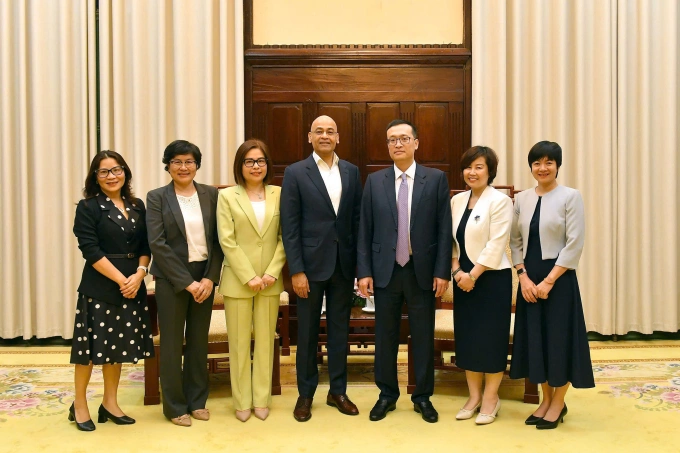
Asia South Cluster and Banking Head for Citi Amol Gupte (C), Vietnam Citi Country Officer and Banking Head Minh Ngo (3rd, L) and the State Bank of Vietnam’s Deputy Governor Pham Quang Dung (5th, L) pose for a photo. Photo courtesy of Citi |
How could global uncertainties affect Vietnam’s economic growth in 2026?
Vietnam enters this period from a position of relative strength. GDP growth reached around 8% in 2025, supported by exports, consumption and investment, while manufacturing expanded by about 10% year-on-year. FDI remained stable at roughly 4% of GDP.
However, escalating tensions in the Middle East could pose risks, particularly through disruptions to global energy supply chains. Vietnam’s manufacturing-driven economy is sensitive to oil price movements, and sustained increases could raise costs across key sectors such as production, transport and logistics.
Rising petrochemical prices may also add inflationary pressure. In addition, prolonged disruptions could affect global semiconductor production, potentially impacting Vietnam’s electronics export supply chains.
Overall, while the outlook remains positive, external risks will require close monitoring.