Tax authorities have stepped up checks on high-net-worth taxpayers, summoning some to review their filings as part of efforts to shore up collections in what has been a weak year for revenue in Southeast Asia’s largest economy, where projected budget deficit nears the 3% cap of GDP, according to Bloomberg.
Several people familiar with the matter said officials have recently asked large firms controlled by local tycoons to make extra payments in 2025. Some family-owned businesses were told to pay more than US$5 million.
 |
|
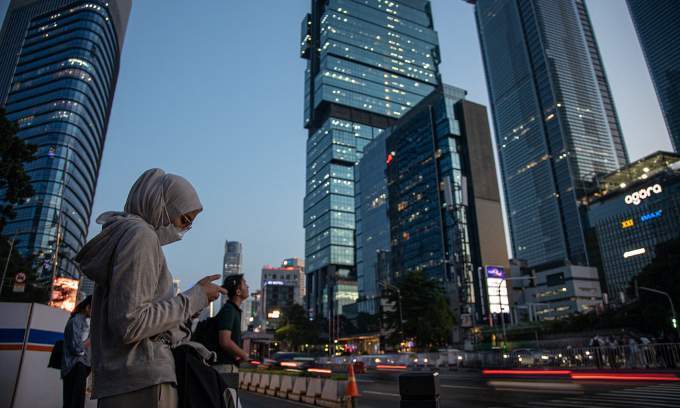
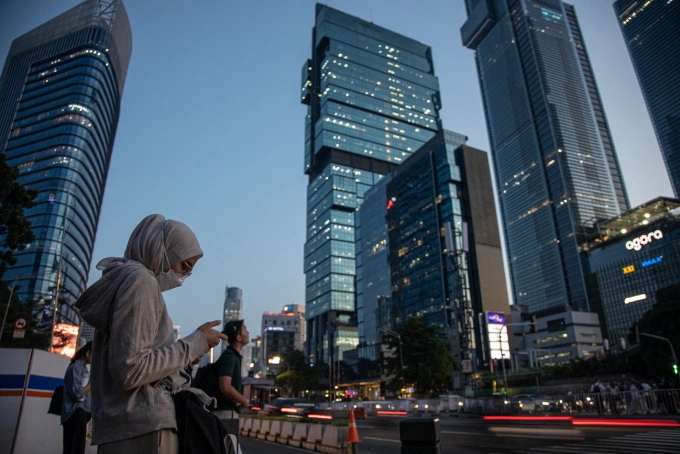
People are in the business district of Jakarta during rush hour in Jakarta, Indonesia, on June 12, 2025. Photo by NurPhoto via AFP |
When a number of those companies resisted, tax officials suggested they pay 30% of the amount sought as a compromise, without explaining how that figure was determined.
Bimo Wijayanto, director-general of taxes at the Finance Ministry, confirmed that high-wealth taxpayers had been summoned, telling reporters at a Dec. 18 briefing that it was “essentially a routine task of the tax office in order to clarify data.”
The ministry’s information, he said, is “increasingly complete,” and the summons “give taxpayers the opportunity to provide explanations, voluntarily correct their tax returns and ensure compliance”.
It remains unclear how many individuals and businesses have been contacted.
End-of-year efforts to lift tax revenue are relatively common in Indonesia, where critics and business leaders often label the practice “hunting in a zoo,” a reference to targeting a small pool of large, formal taxpayers that are easier to monitor, rather than expanding compliance across the vast informal economy of the world’s fourth-most-populous country.
Tax receipts are falling well below targets, with Finance Ministry data showing that collections through end-November stood at 79% of an already reduced full-year goal, compared with nearly 90% over the same period in 2024.
Economists say weak collections, partly due to subdued economic conditions and softer commodity prices, have pushed Indonesia’s closely watched budget deficit forecast to 2.78% of GDP, the highest level in two decades outside the Covid-19 pandemic years.