For Tan Yik Xuan, a 26-year-old logistics worker in Singapore, securing a trip home to Ipoh requires four months of planning. He purchased return tickets in October 2025 for $630, nearly double the off-peak rate.
Describing the fare as “much more expensive” than the usual below $320 during off-peak season, Tan said he is willing to pay for the costly flight instead of taking a bus to avoid traffic jams and reduce travel time.
Checks by The Straits Times starting Jan. 5 found that economy class tickets to Ipoh for the week of Feb. 14 to 19 now range from $822 to $1,222, compared to the cost of $124 to $191 the week prior.
 |
|
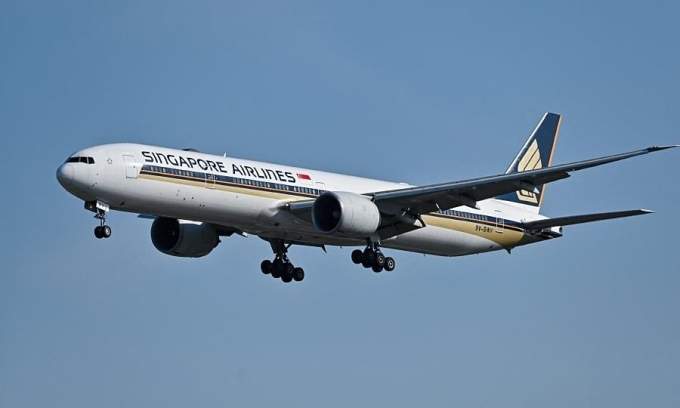
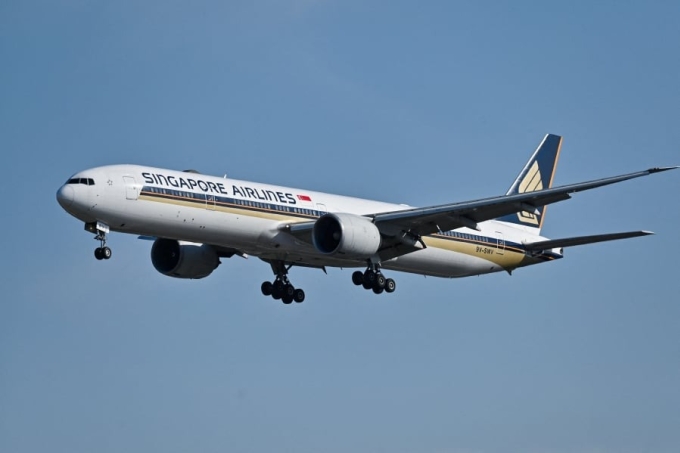
A Singapore Airlines airplane in operation. Photo by AFP |
Similar surges are affecting routes to Kuala Lumpur and Penang. AirAsia told The Straits Times it will add 7,500 seats to meet the demand. The airline noted that its pricing reflects a supply-and-demand model where fares will typically be higher when purchased closer to the travel date during peak seasons.
A two-way trip from Singapore to Kuala Lumpur by air would range from $420 to $1,245 in the days leading up to Chinese New Year, compared with a fare between $99 and $345 from Feb. 7 to 12. Meanwhile, round-trip air tickets from Singapore to Penang would cost $628 to $1,049 from Feb. 14 to 19, higher than the price range of $107 to $469 for the week before.
Meanwhile, Singapore Airlines and Scoot reported “healthy passenger demand” for the Chinese New Year, though they refused to disclose booking figures.
Bus fares have also climbed, with round-trip tickets to Kuala Lumpur ranging from $89 to $276 for Feb. 14 to 19, while tickets to Penang reach up to $370, a significant jump from the off-peak price of $83.
Malaysian bus operator Causeway Link declined to provide ridership figures but said it anticipates a significant crowd and a high volume of ticket purchases during the upcoming peak season, and will get the backup buses on standby to support passenger demand.
To avoid these steep costs, some travelers are using creative routes. Insurance agent Lim Cin Min, 27, will take a local bus to Johor Bahru Immigration and Customs before catching another from Larkin Sentral bus terminal, to her hometown Batu Pahat, a journey costing just $8. Lim said she finds it more comfortable and efficient to cross immigration herself instead of being stuck in traffic jams.
The launch of the electric train service (ETS) from Johor Bahru to Kuala Lumpur on Dec. 12, 2025, offered a new alternative, but tickets for peak dates are already exhausted.
Data analyst Justin K, 29, managed to secure a return ETS ticket only by extending his stay beyond peak travel period during the Chinese New Year.
He will take an AirAsia flight to KL on Feb. 14, as ETS tickets for that leg were sold out for the week leading up to Chinese New Year when he checked. He paid $230 for a one-way ticket, which he said was more than twice the normal cost.
He noted that his RM110 (S$35) fare was a “much more palatable increase” compared to airfares. He plans to use the ETS for future trips back home in Malaysia due to its “punctuality, fixed travel duration and comfort.”